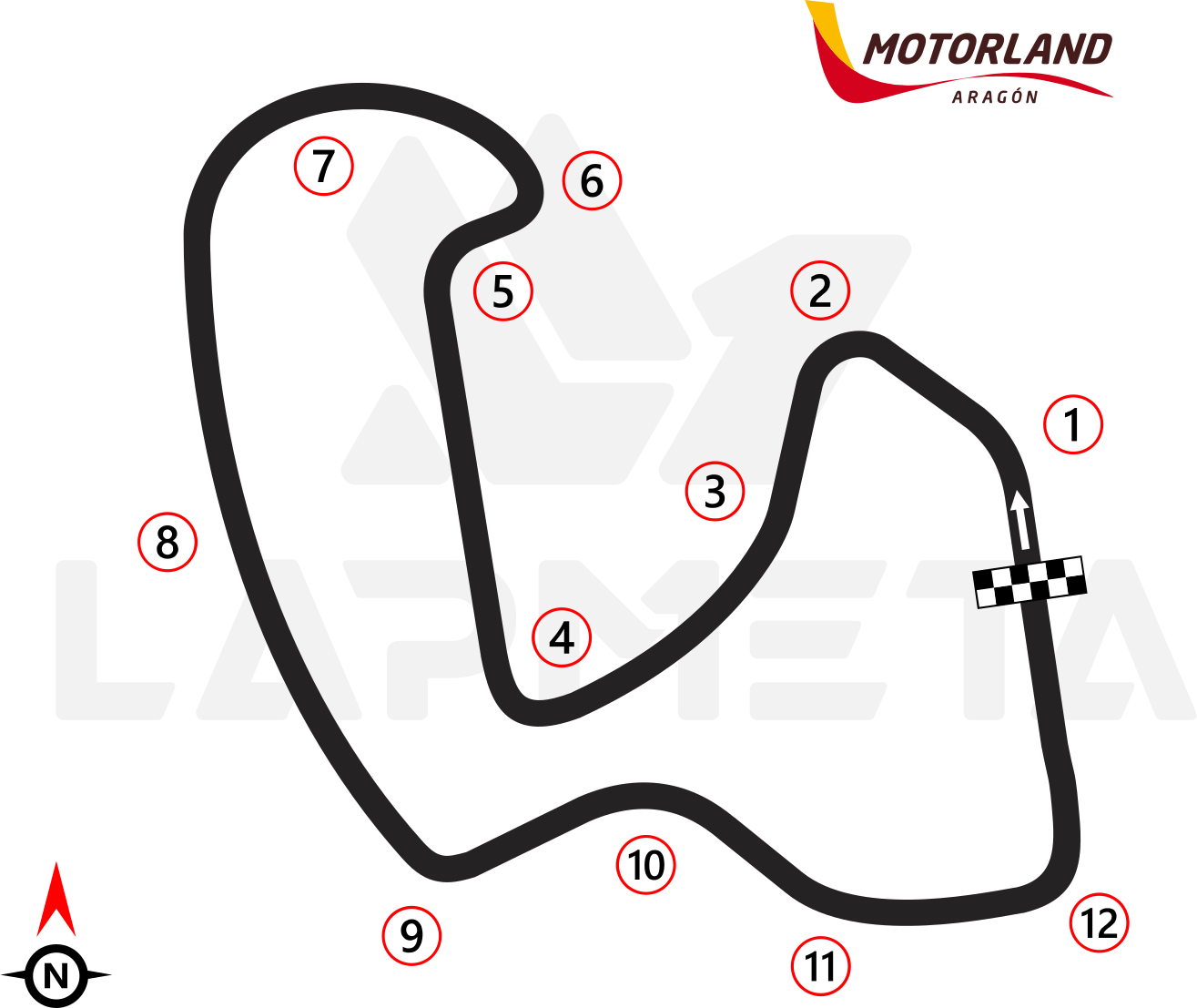

Ciudad del Motor de Aragón West
Ciudad del Motor de Aragón West は 2.8 km, 12 コーナー, 反時計回り です。最速ラップ: 2:01.600 (BMW S1000RR Gen 3 2023 (w/Slicks))。
Ciudad del Motor de Aragonとしても知られるMotorLand Aragonは、有名なドイツ人トラックアーキテクトのヘルマン・ティルケが設計し、スペインのF1レーサーであるペドロ・デ・ラ・ロサのアドバイスを受けて2009年にスペインのサラゴサから92km離れたアルカニスに完成したFIAグレード1のレースサーキットです。レーストラックは、場所の自然な地形を利用して、目がくらむような急な坂道や高度に技術的なセグメントが特徴のエキサイティングな軌道を作り出しています。地中海性気候のアルカニスは、年間を通じて降雨量が少なく、豊富な日照時間があり、レースに最適です。
Ciudad del Motor de AragonのFIAサーキットには、3.31マイル(5.32km)のサーキットに18のコーナーがあります。ロードコースはフロントストレートから始まり、最高速度で反時計回りに進みます。1つのコーナーで90度の左カーブがあり、サーキットの最も技術的に要求の厳しいセグメントを開始し、高低差や地形の変化による視界の悪さを考慮して、度数の異なる15のコーナーがあります。コーナー8に入ると、長く下り坂のコンビネーションに進むにつれ、悪化する急激なダイブに直面することになります。ターン13、14、15は下り続け、レーサーをバックストレートに導き、そこで彼らはターン16まで全開にすることができます。これはトラックで最も重いブレーキングセグメントです。最後の2つのターンは、レーサーを最終ストレートに導き、この隠れたジュエルのようなロードコースの刺激的なラップになります。
The West configuration at Ciudad del Motor de Aragon (MotorLand Aragon) utilizes the western sections to create a specific layout variant at this Spanish facility in Alcaniz. The West circuit emphasizes particular corner sequences unique to the western track sections, serving events requiring specific technical characteristics distinct from the full GP layout or other variants. This configuration demonstrates MotorLand's modular design serving diverse event requirements.
Operating the West configuration showcases MotorLand Aragon's layout flexibility where different section combinations create varied experiences. Spanish climate creates year-round racing potential. The West variant allows the facility to offer specific routing options serving varied skill levels and event types, positioning MotorLand as Spain's versatile motorsport destination with multiple configuration options beyond the championship-grade GP circuit.
アラゴン・モーターシティは年間11~33℃の温暖な大陸性気候で、5月から10月のドライシーズン(月2~6雨日)がトラックデイに最適です。
10年間の月平均 雨の日 走行シーズン