



Thruxton Circuit
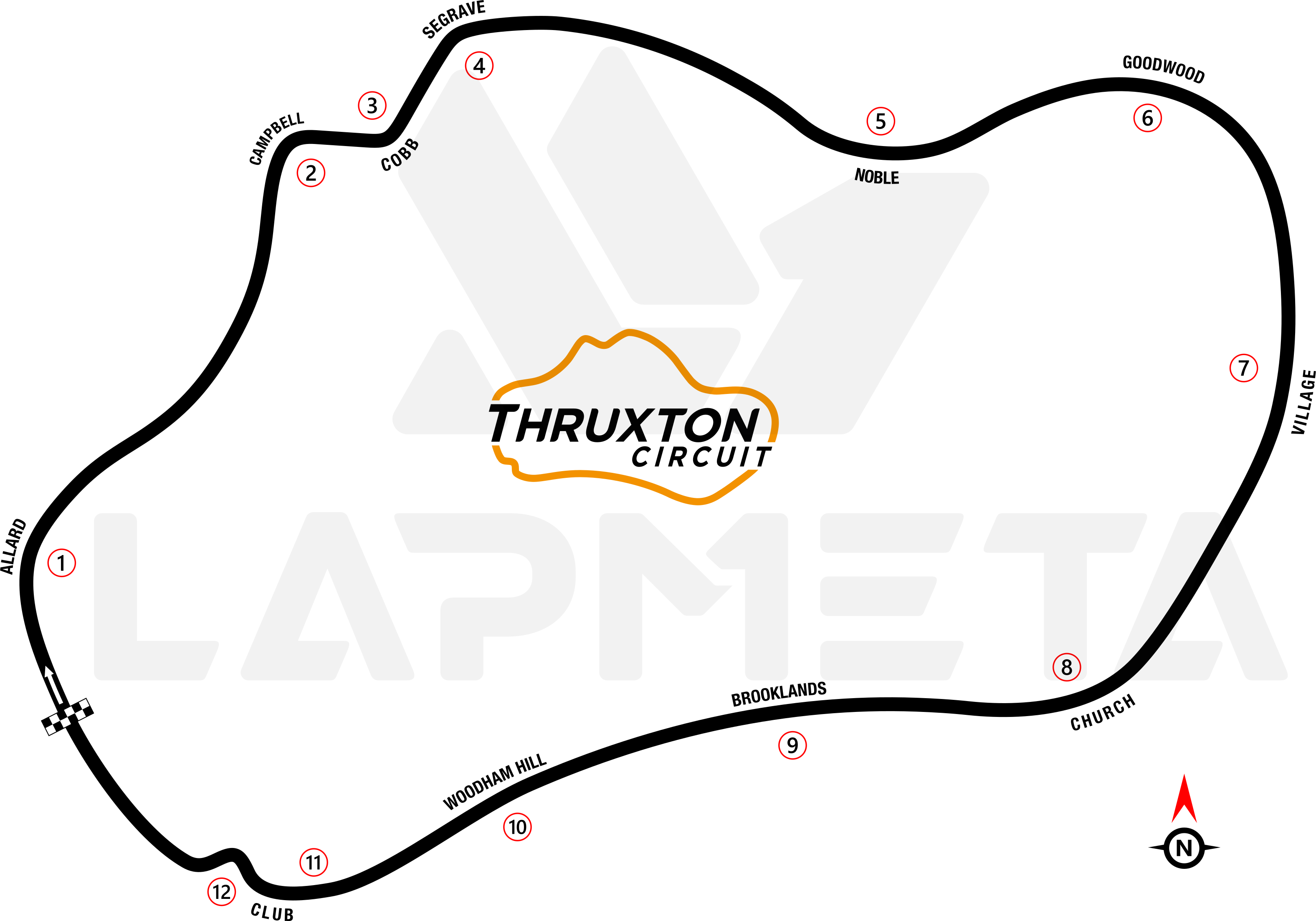
Thruxton Circuit CW 3.8 km, 12 virages, sens des aiguilles d'une montre. Tour le plus rapide enregistré : 1:18.780 (Porsche 992 GT3 Cup 2021).
Thruxton Circuit Notes
Thruxton Circuit, located in Hampshire, England, is renowned as the fastest circuit in the UK, a legacy forged from its beginnings as a World War II airfield, RAF Thruxton. Post-war, the perimeter roads transitioned into a racing venue, hosting its first motorcycle race in 1950, and its first car race in 1952. This history contributes to its distinctive character, a blend of high-speed straights and challenging corners.
The circuit's layout is relatively simple, but deceptively demanding. It features a series of fast, flowing corners linked by short straights, rewarding precision and bravery. Notable corners include Church, a daunting right-hander approached at high speed, and the complex of Allard, Campbell, and Cobb, which require a delicate balance of speed and control. The long, sweeping Goodwood chicane provides the last opportunity for overtaking before the finish line.
Technically, Thruxton is characterized by its abrasive surface, which places a significant strain on tires. The lack of significant elevation changes also means that mechanical grip is paramount. The circuit's high-speed nature favors cars with good aerodynamic efficiency and powerful engines. Its average speed is notoriously high, demanding both driver skill and reliable machinery.
Thruxton hosts a variety of motorsport events, including British Touring Car Championship (BTCC) races, British Superbike Championship (BSB) races, and various club-level competitions. Its historical significance and challenging layout make it a favorite among drivers and spectators alike.
What sets Thruxton apart is its raw, unfiltered character. It lacks the grandstands and modern amenities of some newer circuits, but its commitment to high-speed racing and its challenging nature creates a unique and thrilling experience. It’s a true driver’s circuit, where commitment and precision are rewarded, making it a hallowed ground for British motorsport.
The circuit's layout is relatively simple, but deceptively demanding. It features a series of fast, flowing corners linked by short straights, rewarding precision and bravery. Notable corners include Church, a daunting right-hander approached at high speed, and the complex of Allard, Campbell, and Cobb, which require a delicate balance of speed and control. The long, sweeping Goodwood chicane provides the last opportunity for overtaking before the finish line.
Technically, Thruxton is characterized by its abrasive surface, which places a significant strain on tires. The lack of significant elevation changes also means that mechanical grip is paramount. The circuit's high-speed nature favors cars with good aerodynamic efficiency and powerful engines. Its average speed is notoriously high, demanding both driver skill and reliable machinery.
Thruxton hosts a variety of motorsport events, including British Touring Car Championship (BTCC) races, British Superbike Championship (BSB) races, and various club-level competitions. Its historical significance and challenging layout make it a favorite among drivers and spectators alike.
What sets Thruxton apart is its raw, unfiltered character. It lacks the grandstands and modern amenities of some newer circuits, but its commitment to high-speed racing and its challenging nature creates a unique and thrilling experience. It’s a true driver’s circuit, where commitment and precision are rewarded, making it a hallowed ground for British motorsport.
Localisation
Direction
Sens horaire
Tours Téléchargés
24
Longueur
3.8
km
Gain Vertical
26
m
Virages
12
Vitesse moyenne
150
kph
Temps de tour moyen
1:31.4
Rapport puissance-poids moyen
0.11
Météo moyenne
Saison de conduite: Avril–Octobre
Thruxton connaît des hivers froids (8°C) et humides avec 13-14 jours de pluie, tandis que l'été offre 20-22°C et moins de précipitations, la saison idéale de piste s'étendant d'avril à octobre.
Moyennes mensuelles sur 10 ans Jours de pluie Saison de conduite
Profil d'élévation