



Dunnville Autodrome
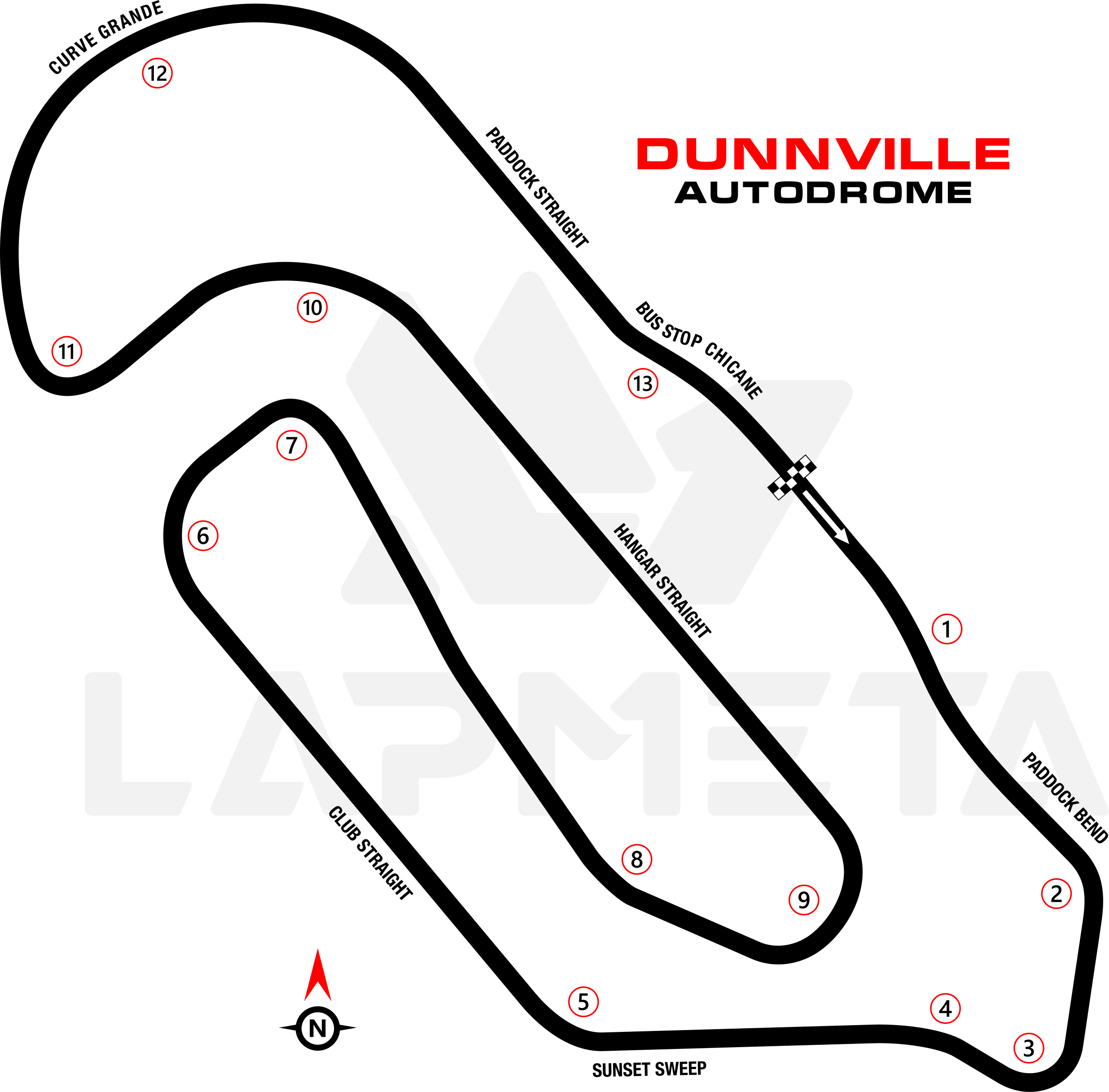
Dunnville Autodrome CW is 2.2 km, 13 turns, clockwise. Fastest recorded lap: 1:06.670 (Porsche 992.1 GT3 RS).
Dunnville Autodrome Notes
Dunnville Autodrome, nestled in the heart of Ontario, Canada, is a short oval racing facility steeped in history and known for its close-quarters, action-packed racing. Originally a dirt track, it transitioned to asphalt in the early 1970s, solidifying its reputation as a grassroots motorsports hub. For decades, the Autodrome has served as a proving ground for local talent and a popular destination for fans seeking an authentic racing experience.
The track's layout is a simple, yet challenging, 1/4-mile oval. Its tight corners and short straights demand precise car control and aggressive driving. The banking is relatively shallow, adding to the difficulty of maintaining momentum and creating ample opportunities for passing maneuvers. The track's small size fosters intense competition, with races often decided in the final corner.
Technically, Dunnville Autodrome is known for its abrasive asphalt surface, which puts a premium on tire management. Cars typically run with softer compound tires to maximize grip, but this comes at the cost of increased wear. Chassis setup is also crucial, with teams focusing on achieving a balance between corner entry speed and exit acceleration. The track's relatively flat surface means that mechanical grip is more important than aerodynamic downforce.
Dunnville Autodrome primarily hosts stock car racing, with various divisions competing on a weekly basis. These include Late Models, Modifieds, Mini Stocks, and sometimes even demolition derbies. The track's intimate setting allows spectators to get remarkably close to the action, enhancing the overall experience. The Autodrome's unique appeal lies in its down-to-earth atmosphere and the raw, unfiltered nature of the racing. It's a place where passion for motorsports trumps glamour, and where the roar of engines and the smell of burning rubber fill the air every race night.
The track's layout is a simple, yet challenging, 1/4-mile oval. Its tight corners and short straights demand precise car control and aggressive driving. The banking is relatively shallow, adding to the difficulty of maintaining momentum and creating ample opportunities for passing maneuvers. The track's small size fosters intense competition, with races often decided in the final corner.
Technically, Dunnville Autodrome is known for its abrasive asphalt surface, which puts a premium on tire management. Cars typically run with softer compound tires to maximize grip, but this comes at the cost of increased wear. Chassis setup is also crucial, with teams focusing on achieving a balance between corner entry speed and exit acceleration. The track's relatively flat surface means that mechanical grip is more important than aerodynamic downforce.
Dunnville Autodrome primarily hosts stock car racing, with various divisions competing on a weekly basis. These include Late Models, Modifieds, Mini Stocks, and sometimes even demolition derbies. The track's intimate setting allows spectators to get remarkably close to the action, enhancing the overall experience. The Autodrome's unique appeal lies in its down-to-earth atmosphere and the raw, unfiltered nature of the racing. It's a place where passion for motorsports trumps glamour, and where the roar of engines and the smell of burning rubber fill the air every race night.
Location
Direction
Clockwise
Uploaded Laps
30
Length
2.2
km
Vertical Gain
5
m
Turns
13
Average Speed
109
kph
Average Lap Time
1:12.5
Power to Weight Average
0.26
Average Weather
Driving season: May–October
Dunnville Autodrome experiences cold winters (−7 to 0°C) and mild summers (19–25°C) with consistent rainfall year-round; best track-day season is May through October when temperatures reach 15–25°C and rain days drop to 9–13.
10-yr monthly averages Rain days Driving season
Elevation Profile