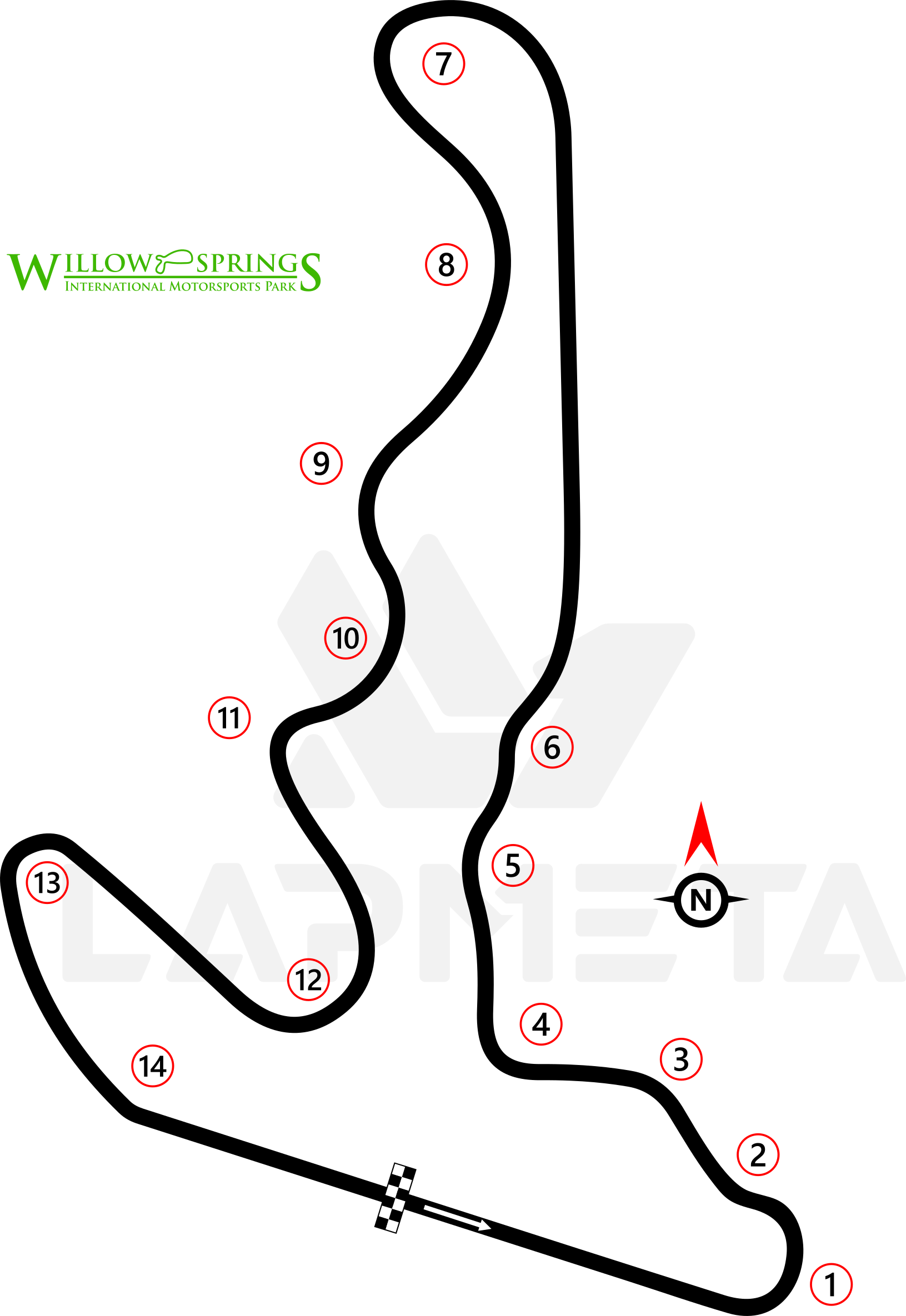

Willow Springs Raceway Streets CCW Pre 2022
Трасса Willow Springs Raceway Streets CCW Pre 2022 2.5 km, 14 поворотов, против часовой стрелки. Самый быстрый круг: 1:16.370 (Porsche 991.1 GT3 2016 (w/EagleF1S)).
Willow Springs Raceway, один из старейших постоянных дорожных курсов в США, был создан в 1953 году с той же конфигурацией, которую используют в основном курсе, на окраине Розамонда, в полутора часах езды на север от Лос-Анджелеса. Вокруг старой трассы вырос целый парк мотоспорта, также известный как Big Willow, включающий дополнительные гоночные трассы, кольцевые трассы и учебные объекты для водителей. Willow Springs находится в западной части пустыни Мохаве на высоте 2 523 фута (769 м) над уровнем моря. Климат здесь засушливый, с интенсивным солнечным светом, жаркими летами, мягкой зимой и почти отсутствующими осадками.
Big Willow - это основной 2,5-мильный (4,02-километровый) дорожный курс в Willow Springs, который в прошлом проводил несколько гонок серии NASCAR. Это самая быстрая трасса в парке, с удивительной средней скоростью 97 миль в час (156 км / ч). В Big Willow есть тесные повороты, драматические перепады высот, быстрые повороты и длинная прямая для ускорения к финишной прямой. Другой гоночной трассой, достойной упоминания в парке мотоспорта, является "The Streets of Willow Springs". Она расположена на север от Big Willow, имеет общую длину 1,8 мили (2,89 км) и более сложную конфигурацию, состоящую из 14 поворотов. Средняя скорость для гонок на The Streets составляет около 75 миль в час (120 км / ч) как для по часовой стрелке, так и против часовой стрелки.
The Streets of Willow Springs circuit in counterclockwise pre-repave configuration represents a historical double-variant combining reversed direction with original surface before the comprehensive 2025 renovation transformed California's technical street-emulation course. Running CCW on the pre-September 2025 asphalt, this configuration combined directional reversal with weathered surface characteristics accumulated across decades of Mojave Desert temperature extremes. The counterclockwise flow completely altered familiar corner approaches from standard clockwise operation, while the original surface provided authentic worn public road characteristics with bumps and undulations that added character but reduced ultimate grip compared to fresh asphalt.
Operating counterclockwise on the pre-repave surface created a unique double-challenge for drivers accustomed to Streets' clockwise flow on newer pavement. The reversed direction transformed braking reference points and apex sighting while navigating the 1.6-1.8 mile configuration, with the aged surface adding unpredictability through variable grip zones that shifted throughout sessions. The pre-2025 layout included cross-over connections linking the straight to Turns 4 and 6, infrastructure eliminated during the 2025 reconstruction that added three new chicanes. Desert heat frequently pushed the old asphalt above 60C in summer, causing the weathered surface to become greasy and unpredictable, while winter sessions offered cold-grip challenges. This CCW pre-repave configuration served as ultimate preparation for drivers developing skills transferable to variable-surface street driving and autocross events.
Willow Springs испытывает мягкую зиму (13–16°C) и палящее лето (36°C), с лучшим сезоном трек-дней в апреле–июне при температуре 24–33°C и минимальных осадках.
Среднемесячные за 10 лет Дождливые дни Сезон вождения