
Circuit de Barcelona-Catalunya GP
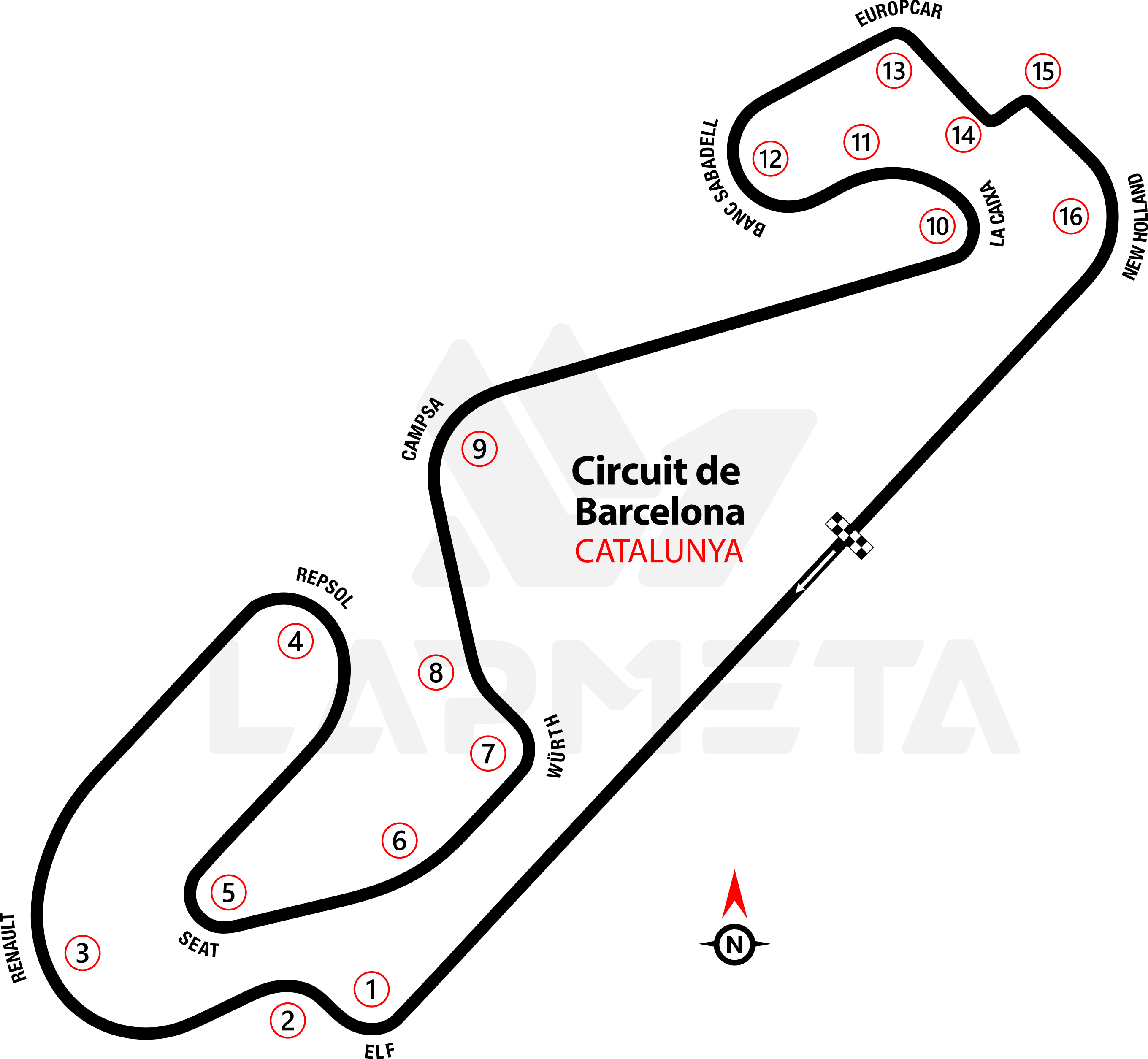
Circuit de Barcelona-Catalunya GP 4.7 km, 16 curvas, sentido horário. Volta mais rápida registrada: 1:11.383 (McLaren MCL38 2024).
O Circuito de Barcelona-Catalunya é uma pista de corrida de classe mundial criada em 1991 para sediar o Grande Prêmio da Espanha de Fórmula 1 em Montmeló, um subúrbio de Barcelona, Espanha. O clima mediterrâneo temperado privilegiado da La Ciudad Condal (a Cidade dos Condes) permite corridas durante todo o ano, com uma temperatura média de cerca de 15 graus Celsius, com verões quentes e invernos amenos. Esse fato, combinado com a grande afluência de turistas na região, torna o Circuito de Barcelona-Catalunya parte integrante de outros eventos de alto perfil de automobilismo, como o European Le Mans Series, o MotoGP ou o FIM Superbike World Championship, para citar alguns.
O comprimento total da pista de corrida de Barcelona-Catalunya é de 4.675 km, consistindo em uma reta principal de 1 km no lado sudeste e 16 curvas de ângulos variados no lado noroeste. A linha de partida/chegada fica no meio da reta principal. A primeira curva é chamada ELF e é uma curva à direita de 90 graus seguida por uma combinação de curvas à esquerda e à direita. Na curva número 4, Repsol, os pilotos giram fortemente para a direita e, após uma reta curta, eles fazem outra curva desafiadora na direção oposta. As curvas seis a nove são rápidas e a segunda reta mais longa da pista vem logo após elas, entre as curvas nove e dez, conhecida como La Caixa. As seis curvas restantes incluem uma chicane e diminuem a velocidade à medida que os pilotos precisam se concentrar em boas manobras para evitar bater nas guias.
Circuit de Barcelona-Catalunya's Grand Prix configuration delivers 4.675 kilometers through 16 corners representing Spain's premier motorsport venue, located in Montmeló near Barcelona where the 1991-opened circuit serves Formula 1 Spanish Grand Prix, MotoGP, and extensive manufacturer testing year-round. This FIA Grade One layout emphasizes technical corner variety from high-speed Turn 3 (Repsol) sweeper to tight Turn 10 (La Caixa) hairpin, while the final chicane before main straight creates primary overtaking zone where slipstream advantage meets heavy braking. The Grand Prix configuration's character derives from balanced sector distribution testing all vehicle performance aspects—power on long straights, aerodynamic efficiency through fast corners, mechanical grip in slow technical sections—creating the comprehensive challenge that made Barcelona preferred pre-season testing venue for Formula 1 teams seeking representative all-around circuit characteristics.
The GP configuration underwent 2021 modifications adding final-corner chicane chicane (Pedrosa) and tightening Turn 10 to enhance overtaking opportunities, addressing criticism about processional racing on the previous layout. Catalonia's Mediterranean climate creates year-round operation with minimal weather interruptions, though spring Barcelona area rainfall can affect pre-season testing sessions. The circuit's proximity to Barcelona's 5.6 million metropolitan population and excellent transport infrastructure makes it accessible for Spanish motorsport enthusiasts while coastal location 25 kilometers from city center provides convenient logistics. Formula 1, MotoGP, World Endurance Championship, and various national series utilize the GP layout, while extensive manufacturer testing occupies the facility throughout racing season gaps. The configuration particularly demonstrates evolution of modern circuit design where ongoing modifications address overtaking deficiencies—2021 final sector changes aimed to improve racing quality after decades of F1 races criticized for limited passing opportunities despite the circuit's technical merit and comprehensive vehicle testing capabilities across Spain's most significant permanent motorsport facility hosting top-tier international competition.
Barcelona vai de 13°C a 30°C ao longo do ano, com junho a agosto ofertando as melhores condições para track days: céu seco, 27–30°C e poucos dias de chuva.
Médias mensais de 10 anos Dias de chuva Temporada de pilotagem