
Laguna Seca
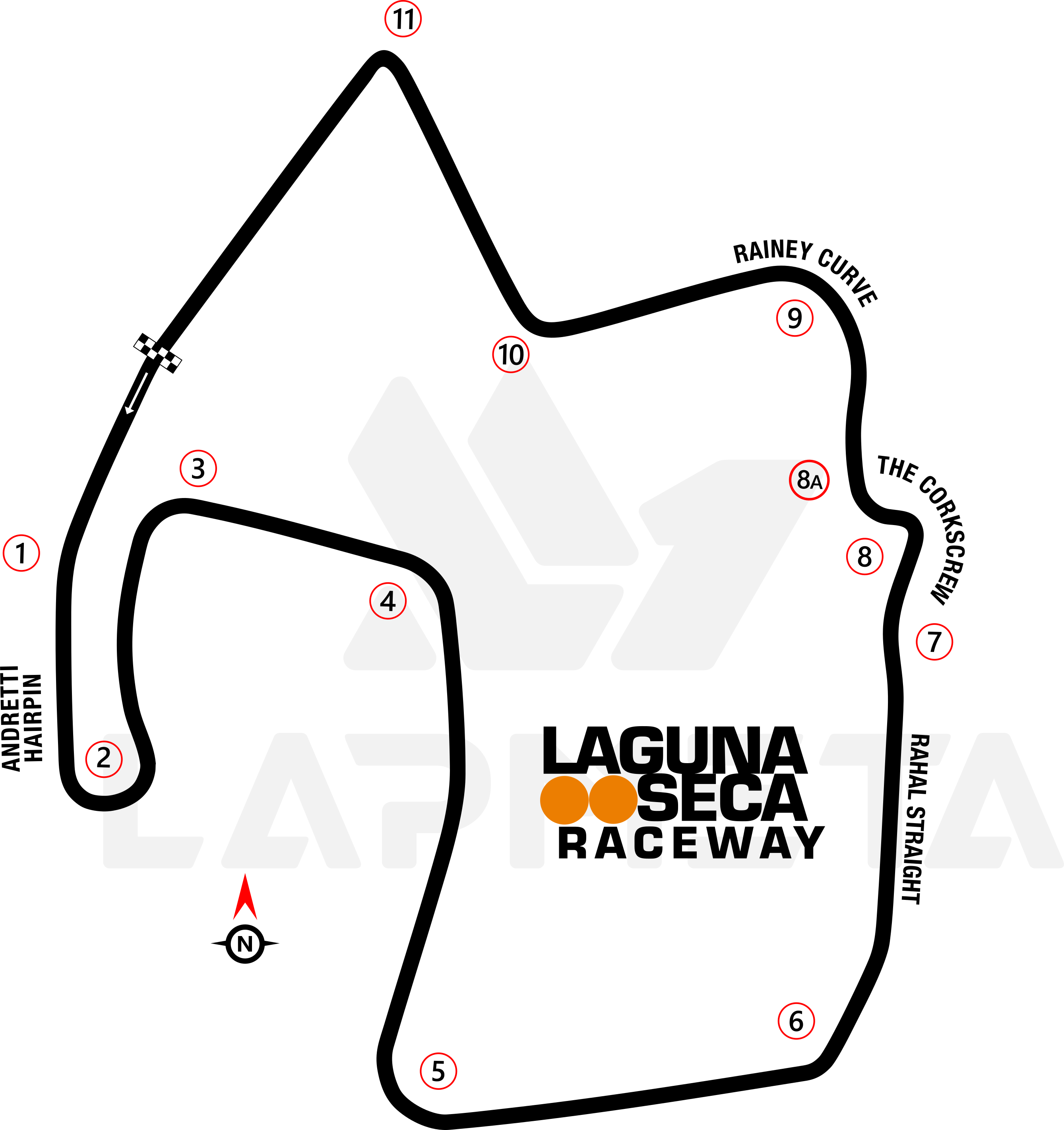
Трасса Laguna Seca 3.5 km, 11 поворотов, против часовой стрелки. Самый быстрый круг: 1:05.780 (Ferrari F2003-GA 2003 (w/PZeroRac)).
WeatherTech Raceway Laguna Seca - всемирно известная гоночная трасса, расположенная в Монтерее, штат Калифорния. Она была открыта в 1957 году благодаря инициативе частной ассоциации любителей автогонок, известной как SCRAMP (Sports Car Racing Association of the Monterey Peninsula). За свои шесть десятилетий существования трасса принимала в себя как автомобильные, так и мотогонки, в том числе и такие высокопрофильные события, как Гран-При США по МотоГП, American Le Mans Series или IndyCar Series. Среднее время круга на этой трассе составляет 1:42, а средняя скорость - 79 миль в час.
Трасса Laguna Seca состоит из 11 поворотов - 4 вправо и 7 влево, с против часовой стрелки ориентацией и общей длиной 2,238 мили (3,602 км). Ее главной чертой является The Corkscrew - спуск длиной 130 метров, который создает резкое изменение высоты на 33 метра в сочетании с сложной комбинацией левого и правого поворота, где многое может пойти не так для неопытных гонщиков. Водители со всего мира согласны в том, что прохождение The Corkscrew - это целый жизненный опыт, достаточный повод, чтобы имя Laguna Seca звучало в головах как у начинающих, так и у опытных гонщиков.
WeatherTech Raceway Laguna Seca, расположенный в округе Монтерей, Калифорния, является одним из самых знаковых и сложных дорожных трасс Северной Америки. С момента открытия 9 ноября 1957 года, когда Пит Лавли выиграл inaugural гонку на Ferrari перед 35 000 зрителей, трасса принимала необычайное разнообразие автоспортивных дисциплин, включая Can-Am, Trans-Am, Formula 5000, IMSA GT, IndyCar, American Le Mans Series, Superbike World Championship и MotoGP. Объект получил свои текущие права на название от WeatherTech в апреле 2018 года, после 17-летнего партнерства с Mazda.
Определяющей характеристикой трассы является легендарный Corkscrew (Штопор)—бросающий вызов гравитации комплекс поворотов 8/8A, который опускается на 59 футов (эквивалент 5½-этажного здания) всего за 450 футов длины трассы. Местный фольклор приписывает этот драматический участок инструкции прораба во время обеденного перерыва: "Спускайтесь с холма как можете". Слепой гребень, 12-процентный уклон на апексе и немедленный переход лево-право делают Corkscrew одним из самых фотографируемых и сложных поворотов в автоспорте. От поворота 8 до поворота 9 трасса проваливается на общую высоту 109 футов—более 10 этажей перепада высот, который испытывает как мастерство водителя, так и динамику автомобиля.
Трасса достигла своей текущей конфигурации 2,238 мили и 11 поворотов в 1988 году с добавлением внутренней секции (повороты 3, 4 и 5), расширяясь от оригинального макета 1,9 мили. Эта трасса против часовой стрелки имеет семь левых и четыре правых поворота, со средним временем круга около 1:40 при скорости примерно 80 миль в час. В июне 2023 года Laguna Seca претерпела самую значительную трансформацию за более чем два десятилетия: комплексный проект по перекладке асфальта в рамках реконструкции стоимостью 20 миллионов долларов. Новое покрытие резко изменило характер трассы, обеспечив существенно больше сцепления и устранив неровности, которые ранее вознаграждали водителей, умелых в управлении шинами и контроле автомобиля на скользких поверхностях.
Влияние на производительность было немедленным и существенным. Время квалификации IndyCar улучшилось почти на пять секунд, Кристиан Лундгаард разбил 23-летний рекорд трассы молниеносным кругом 1:06.461 при средней скорости 121,226 миль в час—по сравнению со временем поула предыдущего года 1:11.6. Сезон 2023 года ознаменовал новую эру для исторической трассы, с цепкой, гладкой поверхностью, фундаментально изменившей требования к настройке автомобиля и динамику гонок, сохраняя при этом стратегические и технические вызовы, которые сделали Laguna Seca испытательным полигоном для лучших водителей и машин мира почти семь десятилетий.
Лагуна-Сека имеет прохладный климат с температурами 14–22°C и лучший сезон трека апрель–ноябрь, когда осадки минимальны.
Среднемесячные за 10 лет Дождливые дни Сезон вождения