
Silverstone GP
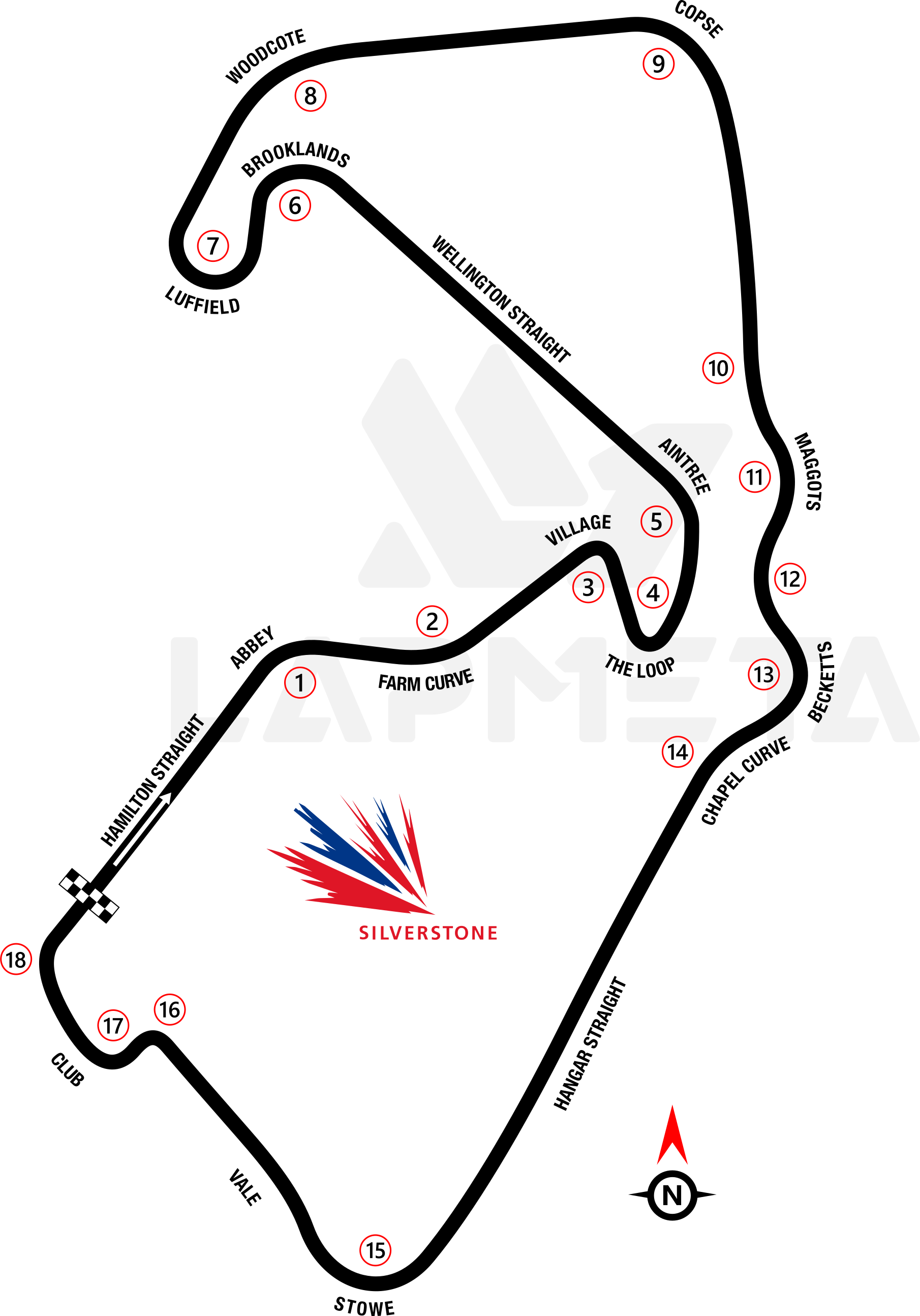
Silverstone GP 5.9 km, 18 curvas, en sentido horario. Vuelta más rápida registrada: 1:24.892 (Red Bull Racing RB21 2025).
El circuito de Silverstone es una renombrada instalación automovilística, sede del Gran Premio de Gran Bretaña de Fórmula 1 desde 1948, situada en Silverstone, Northamptonshire, Inglaterra, a 2 horas por carretera al noroeste de Londres. El circuito se encuentra en lo que fue una estación de bombarderos de la Real Fuerza Aérea de la Segunda Guerra Mundial, que fue reutilizada para las carreras por Wilfred Andrews, el primer presidente británico de la FIA. El clima nublado y lluvioso del centro de Inglaterra hace que la superficie de la pista esté casi siempre húmeda, pero las temperaturas son lo suficientemente agradables para correr todo el año, con veranos suaves e inviernos fríos con algo de nieve en el suelo.
Hay tres configuraciones principales disponibles para las carreras de coches y motos en el circuito de Silverstone: un circuito GP de 5,89 km, un circuito nacional de 2,64 km y un circuito internacional de 2,89 km. El Circuito GP comprende los otros dos, y los circuitos Nacional/Internacional son aptos para correr simultáneamente. El cambio de elevación total del circuito es de 11,23 metros (37 pies), y su velocidad media es de unos 144 km/h (90 mph) para todos los trazados. Aparte de la Fórmula 1, otras competiciones de alto nivel como el MotoGP, las European LeMans Series o el Campeonato Británico de Turismos tienen lugar en Silverstone con regularidad, atrayendo a gente de todo el mundo a uno de los templos del automovilismo.
The GP Circuit in Silverstone is the layout of choice for running the British Grand Prix of Formula 1. It combines the National and International Circuits, with 18 corners and 37 feet (11.3 meters) of vertical gain from start to end. It has an average speed of 89 mph (143 km/h), with some highly technical sections that keep drivers busy maneuvering. But Silverstone trademark features are its high-speed sweeping corners, like Abbey, Brooklands, Copse, or Stowe, where high-performance vehicles can reach skyrocketing speeds of 300 km/h (186 mph) or more. No wonder this circuit is one of the favorite places for racecar lovers to enjoy their passion for high speed.
Silverstone oscila entre 7°C en invierno y 22°C en verano con lluvia frecuente todo el año; la temporada ideal es abril a octubre cuando las temperaturas alcanzan 13–22°C y los días lluviosos disminuyen.
Promedios mensuales de 10 años Días de lluvia Temporada de conducción